
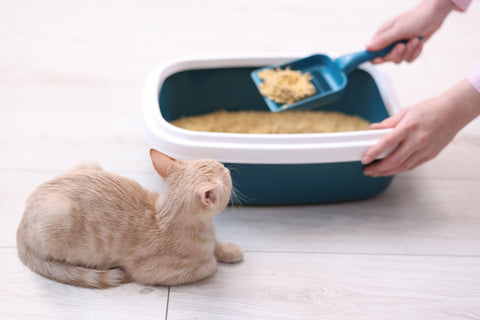
Let’s be honest: cleaning the litter box isn’t the most glamorous part of being a cat parent. However, it is absolutely essential. Cats are notoriously clean animals with a highly sensitive sense of smell. If their bathroom isn't up to their standards, they might just find another spot in your home (like your favorite rug).
So, how often should you actually scoop, change, and deep-clean the litter box? Here is everything you need to know to keep your cat happy and your home smelling fresh.
1. Daily Scooping: The Non-Negotiable Rule
No matter what type of litter you use, scooping must be done every single day. Ideally, you should aim for twice a day – once in the morning and once in the evening.
Leaving clumps of urine and feces in the box not only creates an unpleasant odor in your house, but it also forces your cat to step on dirty spots. Daily scooping removes the source of ammonia and bacteria, instantly improving hygiene.
-
Pro tip: Always make sure the litter depth stays around 5-7 cm (2-3 inches). If you scoop a lot out, remember to top it up with a little bit of fresh litter!
2. The Complete Wash: How Often to Empty the Box?
While daily scooping removes the visible waste, small particles and bacteria inevitably build up at the bottom of the tray over time. The frequency of a complete litter replacement and deep clean depends heavily on the type of litter you use:
-
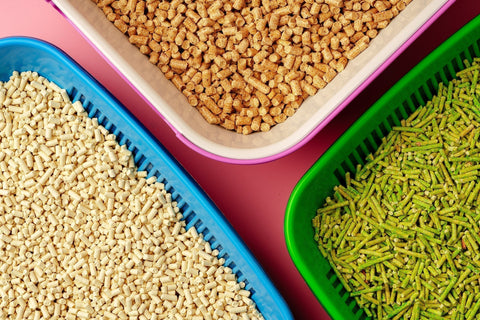
Non-clumping litters (wood pellets, standard clay): Must be completely replaced every 5 to 7 days, as urine pools at the bottom.
-
Silica gel (crystals): Usually lasts about 2 to 3 weeks for one cat, but requires daily stirring.
-
High-quality clumping litters (like OTIS Tofu): Because they form tight, solid clumps that trap moisture entirely, the remaining litter stays pristine. You usually only need a full replacement and deep clean every 3 to 4 weeks.
How to deep clean: Empty the entire box, wash the plastic tray with warm water and unscented dish soap, dry it thoroughly, and pour in a fresh batch of litter.
3. Factors That Affect Litter Box Freshness
The "rules" above are general guidelines, but your specific situation might require adjustments based on three main factors:
-
Number of cats: More cats mean more waste. If you have two cats sharing one extra-large box, you’ll need to do a full clean much more frequently.
-
Litter quality: Cheap litters crumble when you scoop them, leaving tiny dirty pieces behind that ruin the rest of the clean batch. A premium clumping litter saves you time and money because you throw away less unused product.
-
Your cat's diet: Did you know that what your cat eats directly affects the smell of their waste? High-carbohydrate, low-quality foods result in larger, smellier feces. A high-meat, biologically appropriate diet leads to less waste and significantly less odor.
4. Work Smarter, Not Harder: Choose the Right Litter
If you find yourself constantly scrubbing the litter box or dealing with awful smells, it might be time to upgrade your litter.
At dlakota.com, we recommend OTIS Tofu Litter. It is a 100% natural, plant-based litter designed to make cat parenting effortless. Why?
-
It forms ultra-tight clumps that lock in ammonia odors instantly.
-
It’s virtually dust-free, keeping your floors clean and your cat's lungs healthy.
-
It’s flushable! You can scoop the clumps and safely flush them down the toilet – no more carrying heavy, smelly trash bags.
Keep Their Tummies Happy, Too!
As we mentioned, a healthy diet is the secret to a less smelly litter box.
Join our community! Subscribe to our newsletter today to get an exclusive discount on OTIS Tofu Litter. Plus, you’ll be the very first to know when our highly anticipated, premium PurryON cat food drops! Real meat, zero junk, and better digestion for your feline friend.
Comments (0)
There are no comments for this article. Be the first one to leave a message!